

Clinical Overview
Beyond Survival: Restoring the Self.
Post-Traumatic Stress Disorder (PTSD) is a complex physiological and psychological response to overwhelming experiences. Our clinical team focuses on the neurobiological aspects of trauma, helping patients rewire their response to triggers, restore nervous system regulation, and reclaim their daily lives.
The Process
Moving from a state of chronic hyper-vigilance to one of regulated safety through somatic grounding and cognitive-behavioral processing.
The Goal
Systematic integration of traumatic memories so they become structured parts of your history, rather than distressing hijackers of your present reality.
Personalized Interventions
Every traumatic response is unique. Our structured therapeutic plans are customized to address specific neural triggers, family dynamics, and the individual’s inherent resilience markers.
Our Specialized Treatment Programs
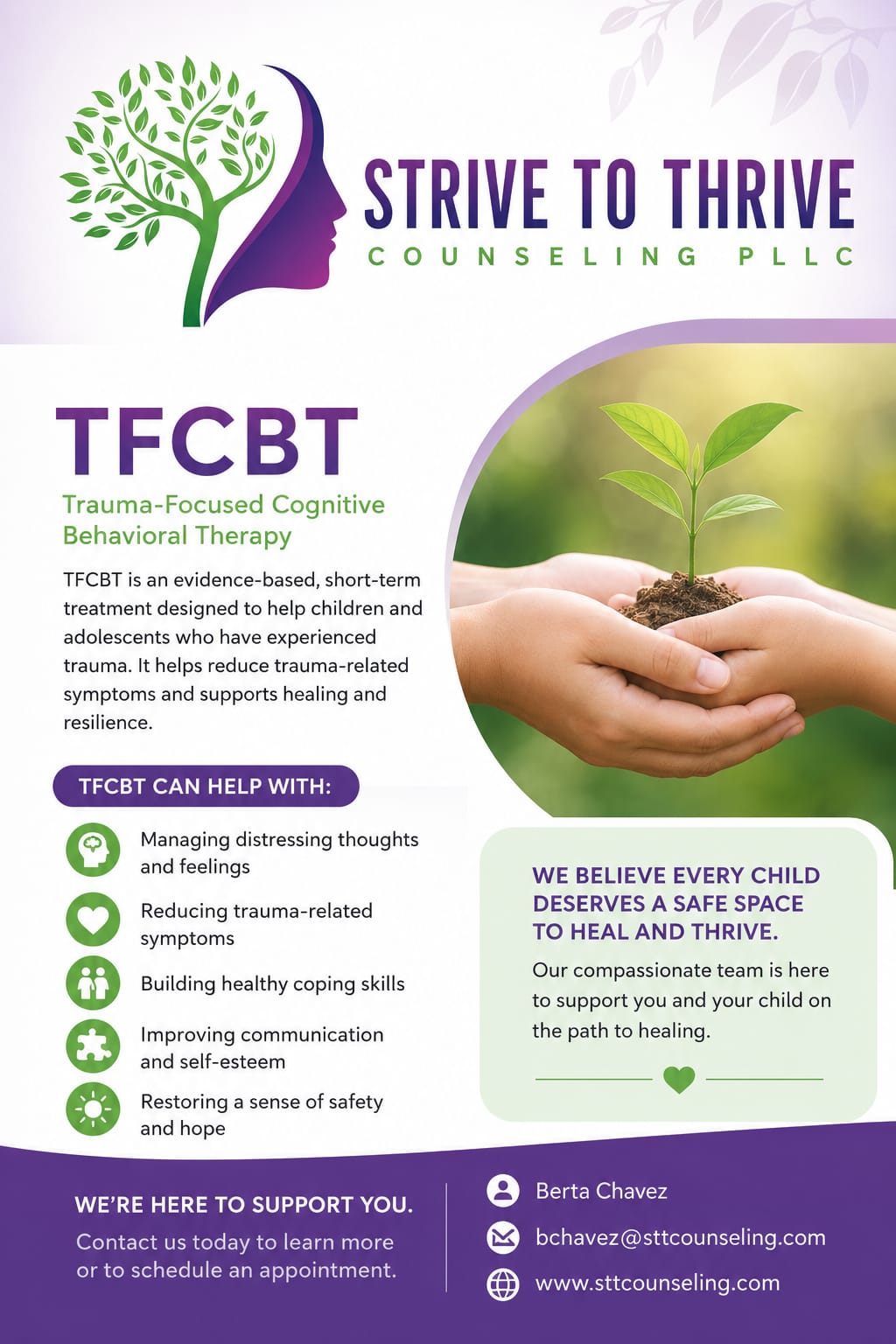
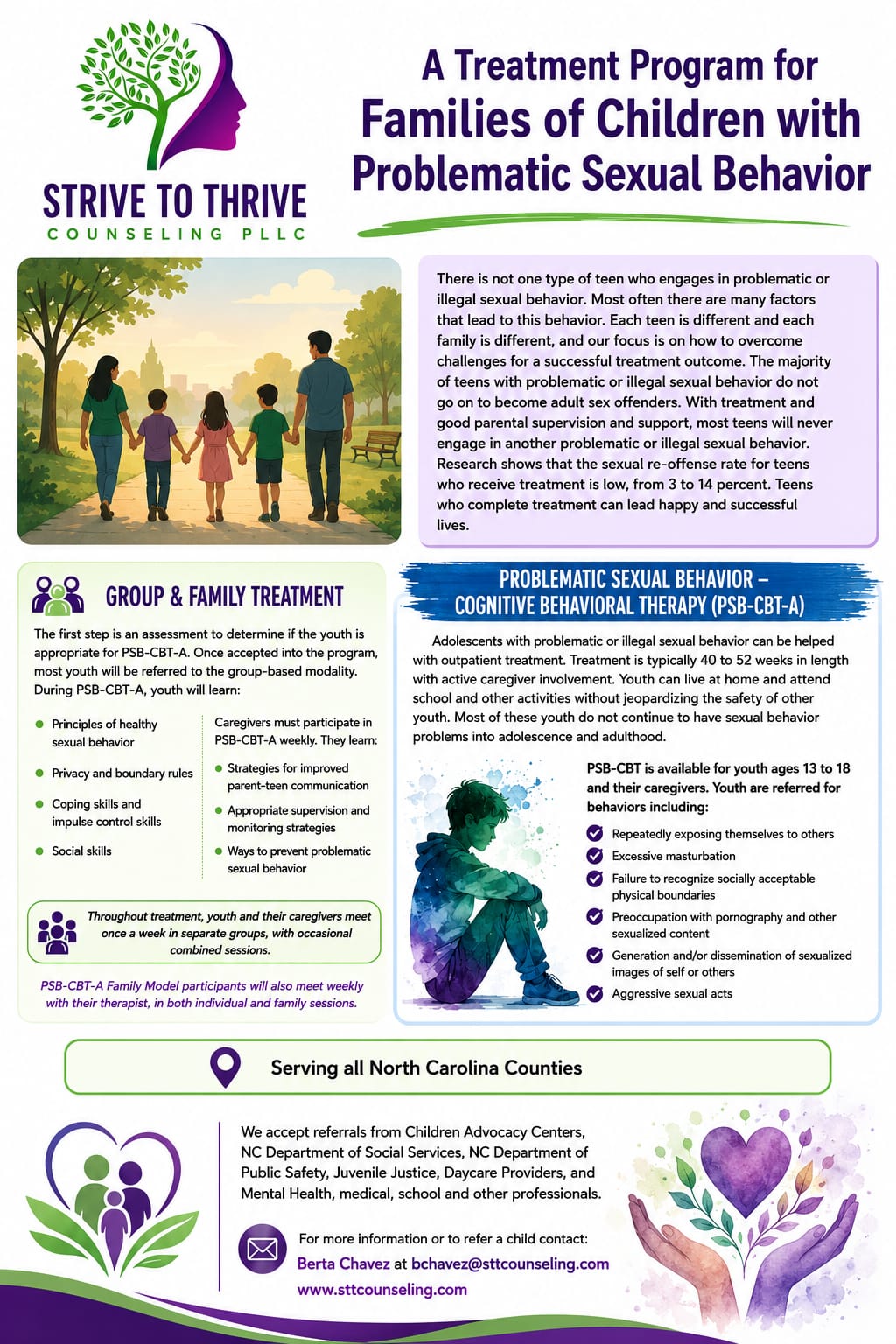
Explore or download our professional program flyers below. Click on any brochure to open an interactive full-screen reader.
Key Focus Areas
-
Safety and Stabilization Establishing clear physical and emotional safety benchmarks, teaching immediate grounding skills, and building active routines to promote long-term predictability.
-
Emotional Regulation Significantly reducing nervous system hyperarousal (anxiety, chronic irritability), counteracting emotional numbing, and learning safe distress tolerance.
-
Trauma Processing Reducing the active sensory intensity of complex memories while restructuring internalized negative core beliefs of danger or blame.